


How to Repair Bleached Hair Damage at Home
Quick Summary
Repairing bleached hair damage at home takes a consistent routine of several months, not a single fix. Stop further bleaching and heat styling, trim split ends every 6 to 8 weeks, and use gentle wash-day care with conditioning and occasional bond-building treatments. Protect wet hair from friction and expect mild damage to improve within two to three months.
- Pause bleach, perm color, relaxers, and daily heat styling until hair stabilizes.
- Trim split and compromised ends every 6 to 8 weeks while recovering.
- Use a deep-conditioning mask or bond-builder once or twice a week.
- Detangle wet hair gently, starting at the ends and working upward.
- Mild damage may improve within two to three months; moderate damage takes four to six months.
Table of Contents
- Why Bleached Hair Feels Dry, Rough, or Straw-Like
- How to Assess Your Bleach Damage Severity
- How to Repair Damaged Hair After Bleaching: Step-by-Step Routine
- How to Make Bleached Hair Soft and Silky
- Bleach-Damaged Hair Repair Home Remedies: What Works and What Doesn't
- Protecting Fragile Hair from Heat and Breakage
- How Long Bleached Hair Takes to Recover and When to See a Professional
- Frequently Asked Questions
Why Bleached Hair Feels Dry, Rough, or Straw-Like
Bleach lifts the natural pigment from your hair by opening the outer cuticle layer, which is a core reason for bleached hair damage.
The internal structure can weaken too. Hair is held together partly by internal bonds, and harsh lightening can break some of them (pubmed.ncbi.nlm.nih.gov). When those bonds are gone, hair stretches more and snaps sooner.
Watch out: the feeling of softness after a conditioner is temporary. Most products coat the surface, so the hair feels better without the internal structure being fully restored.
How to Assess Your Bleach Damage Severity
Before you choose a repair plan, check how damaged your hair really is. Run a few simple tests:
- Stretch test: Wet a single strand and gently stretch it. If it stretches far and does not spring back, the hair is weak.
- Elasticity test: Healthy hair returns to its length after stretching. Overprocessed hair often snaps or stays stretched.
- Porosity check: If water soaks in fast and dries quickly, the cuticle is very open.
- Breakage check: Look for many short, broken pieces on your brush or pillow.
Mild damage: Dryness and frizz, but the hair still stretches and bounces back. Home care usually helps.
Moderate damage: Tangles, visible split ends, and a gummy feel when wet. Trimming and a consistent routine can improve it over several months.
Severe damage: Hair snaps when stretched, breaks in clumps, or feels mushy when wet. Home care can help manage it, but a stylist should assess it. Cutting back to healthier hair is often the most realistic option.
How to Repair Damaged Hair After Bleaching: Step-by-Step Routine
Repair is slow, and fixing bleached hair damage takes a routine of several months, not a single weekend fix. The plan below sequences actions by what protects the hair first, then what rebuilds feel and reduces breakage, then what prevents the next round of damage.
Step 1: Stop the Damage Before You Treat It
Before any mask or bond treatment, remove the inputs that keep damaging the strand. Pause bleach, permanent color, and relaxers until the hair has stabilized. Stop daily heat styling and let hair air-dry whenever possible. If you must style, keep tools on the lowest effective heat setting and use a heat protectant every time. This step matters because treatments applied on top of ongoing damage rarely keep up.
Step 2: Trim Split and Compromised Ends
Cut off the most damaged lengths. Split ends travel up the hair shaft and cause more breakage over time. Trim every 6 to 8 weeks while you recover, and ask for a dusting rather than a full cut if you want to keep length. Removing the weakest few inches early often makes the rest of the routine work better, because treatments are no longer fighting frayed ends.
Step 3: Build a Wash-Day Sequence
Wash-day order matters more than any single product. A practical sequence:
- Detangle dry hair gently with a wide-tooth comb before washing, starting at the ends and working upward.
- Shampoo only the scalp with a gentle, sulfate-free cleanser, letting the runoff clean the lengths.
- Apply conditioner from mid-lengths to ends and leave it on for the time listed on the label.
- On treatment days, swap the regular conditioner for a deep-conditioning mask or bond-building treatment once or twice a week.
- Rinse with cool water to help smooth the cuticle, then squeeze out excess water with a towel instead of rubbing.
Watch out: applying a protein-heavy treatment every wash can leave bleached hair stiff and brittle. Alternate protein-focused and moisture-focused products, and drop the protein step if hair feels straw-like after use.
Step 4: Match the Treatment Type to the Problem
Not every treatment does the same job. Conditioning products smooth the surface and improve feel. Protein treatments temporarily fill gaps in the strand and can reduce stretchiness, but too much makes hair stiff. Bond-building treatments target broken internal bonds and are most useful on hair that is weak, gummy, or snaps when wet. Read the label and choose based on whether the hair feels dry, mushy, or brittle, rather than layering every product you own.
Step 5: Protect Hair Between Washes
Most breakage happens outside the shower. Detangle fragile wet hair with a wide-tooth comb or a wet-brush designed for fragile hair, working from the ends upward and never ripping through a knot. Pat hair dry, avoid tight ponytails on wet hair, and sleep on a silk or satin pillowcase or with hair in a loose braid. These habits reduce friction and mechanical breakage that no treatment can undo.
Step 6: Set a Realistic Timeline
Mildly damaged hair may improve noticeably within two to three months of consistent care. Moderate damage often takes four to six months, with regular trims. Severely damaged hair may need to be cut back substantially before it feels healthy again. As you assess whether the damage is improving or needs a more substantial trim, fixing damaged hair also means knowing when to adjust your routine and seek a fresh approach.
Step 7: Plan the Next Color Service Carefully
If you plan to lighten again, space sessions out and ask for a strand test first. Tell the stylist your full color history, including box dye and previous bleach, because overlapping applications are a common cause of severe damage. A stylist can assess whether the hair can take another round or whether it needs to grow out first.
The routine works best when each step is followed in order, with rough timelines to guide progress.
| Step | What to do | Time or frequency |
|---|---|---|
| Stop the damage | Pause bleach, perm color, and relaxers | Until hair stabilizes |
| Trim split ends | Cut off most damaged lengths | Every 6 to 8 weeks |
| Wash-day sequence | Shampoo scalp only, condition mid-lengths to ends | Every wash |
| Treatment swap | Use deep-conditioning mask or bond-builder | Once or twice a week |
| Protect between washes | Detangle wet hair gently, sleep on silk or satin | Daily |
| Set a timeline | Expect gradual improvement with consistent care | Mild: 2-3 months; moderate: 4-6 months |
How to Make Bleached Hair Soft and Silky
Softness comes from good moisture balance and less friction. Try these habits:
- Apply a light leave-in conditioner to damp hair.
- Detangle with a wide-tooth comb, starting at the ends.
- Sleep on a silk or satin pillowcase to reduce friction.
- Pat hair dry with a towel instead of rubbing it.
A common mistake is piling on heavy products. Too much product can weigh bleached hair down and leave a waxy buildup.
Bleach-Damaged Hair Repair Home Remedies: What Works and What Doesn't
Many home remedies circulate online, but results vary. Be realistic about them:
- Oil masks can add temporary shine and softness, but they do not rebuild broken bonds.
- Egg or yogurt masks may add surface moisture but offer no proven structural repair for bleached hair.
- Heavy honey or banana masks can leave hair sticky and hard to rinse.
What works best is consistent conditioning, trimming, and reducing heat and further chemical processing. Some hair treatments can improve feel and manageability, but none can fully reverse severe structural damage.
Protecting Fragile Hair from Heat and Breakage
Heat is one of the fastest ways to undo progress, but it is not the only breakage risk. Fragile wet hair is at least as vulnerable, and most people handle it too roughly without realizing it.
Lower the Heat and Use It Less Often
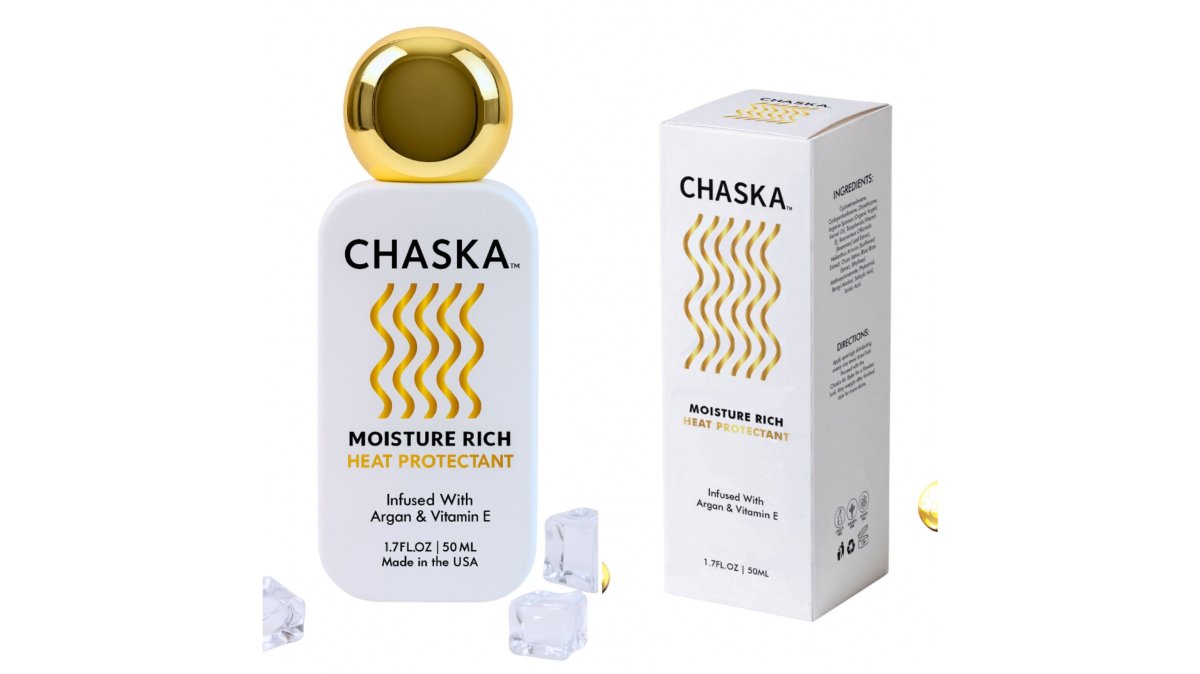
Lower the temperature on your styling tools and limit how often you use them. Learn more about protecting color-treated hair from heat styling damage. The CHASKA Moisture Rich Heat Protectant ($24.00) is designed to smooth and protect hair before heat styling.

Try heatless styles on some days. Loose braids, buns, and air-drying give your hair a break from heat. Air-drying is gentler than a hot blow-dryer, but it still takes time, so blot excess water first and let the rest dry without rubbing.
Handle Wet Hair Like It Is Delicate
Wet bleached hair stretches more and snaps more easily than dry hair. Detangle with a wide-tooth comb or a wet-brush made for fragile hair, starting at the ends and working upward in small sections. Never rip through a knot; work it loose with your fingers first, then comb.
Watch out: brushing wet hair from the roots down is one of the most common causes of breakage on bleached hair. Always start at the ends and move up. Next, check how often to deep condition hair by type to fit conditioning into your wash routine.
Reduce Friction While You Sleep
Sleep on a silk or satin pillowcase, or wear hair in a loose braid or a soft scrunchie bun. Cotton pillowcases create friction that roughens the cuticle and encourages split ends. Avoid tight hairstyles that pull on the roots, especially on wet hair, because the tension adds to breakage risk.
Protect Hair During Future Color Services
If you plan another lightening session, ask for a strand test first and space sessions out. Tell the stylist your full color history, including box dye and previous bleach, because overlapping applications are a common cause of severe damage. A stylist can assess whether the hair can take another round or whether it needs to grow out first.
How Long Bleached Hair Takes to Recover and When to See a Professional
Recovery depends on how severe the damage is and how much of it you trim away. Mildly damaged hair may improve noticeably within two to three months of consistent care.
See a professional stylist if your hair snaps easily, breaks in clumps, or if you plan to lighten it again. A stylist can assess the damage and suggest a safer plan.
Ready to build your routine? Explore the CHASKA Air Styler ($249.00) for a single tool that dries, straightens, and curls, so you can limit heat exposure across multiple tools.
Frequently Asked Questions
Is it possible to heal bleach-damaged hair?
Bleach damage cannot be fully reversed. The bleach has already broken some of the bonds inside each strand, and no product rebuilds that structure completely. What you can do is trim the most compromised ends, reduce further stress, and use conditioning and bond-building treatments so the hair feels smoother, looks healthier, and breaks less. Realistic expectations matter: the goal is managing damage and growing out healthier lengths, not returning hair to its original state.
How do you fix bleached hair that feels like straw?
Straw-like texture usually means the cuticle is lifted and moisture escapes quickly. Start by trimming split ends, then wash with a gentle shampoo and condition after every wash. Use a deep conditioning mask once or twice a week, and air-dry when possible. Avoid stacking heat and further lightening, since both make the texture worse. Most people notice softer strands within a few wash cycles of consistent care.
Should I stop using heat on bleach-damaged hair?
Yes, or at least reduce it sharply. Heat further weakens hair that already has compromised bonds. If you need to style, use the lowest effective temperature, always apply a heat protectant such as the CHASKA Moisture Rich Heat Protectant ($24.00) before heat, and choose heatless options like loose braids or buns. Limiting heat is one of the most effective ways to stop breakage from getting worse.
When should I see a professional about bleach damage?
See a professional colorist or stylist if your hair is gummy when wet, breaks easily when combed, or shows widespread thinning and snapping at the same length. They can assess whether the damage is structural and recommend a plan, which may include cutting the hair shorter or pausing lightening entirely. Ask about bond-repair treatments applied during the service, since these can reduce breakage on the next color appointment.
