


Professional Hair Dryers for Healthy Hair: A Buyer's Guide
Table of Contents
- What Makes a Professional Hair Dryer Different
- How to Blow Dry Hair Without Heat Damage
- Ionic Hair Dryer Benefits for Frizz and Shine
- Best Hair Dryer for Fine Hair: What Actually Works
- Best Hair Dryer for Curly Hair With Diffuser Attachment
- Key Features That Protect Hair Health
- Frequently Asked Questions
Last Updated: October 10, 2026
What Makes a Professional Hair Dryer Different
Professional hair dryers use more powerful motors, advanced heat distribution, and precision attachments to deliver salon-quality results faster than standard models, making them ideal for maintaining professional hair dryers healthy hair. The key difference is controlled power application.
Professional hair dryers offer multiple heat and speed settings that reduce heat damage while accelerating drying time, giving you both speed and safety, unlike standard dryers.
Better motors generate consistent airflow, ceramic or ionic technology distributes heat evenly, and precision nozzles concentrate air where needed. The Chaska Life Air Styler delivers professional-grade performance with direct airflow technology and Twin Turbo fans in one multi-function device.

How to Blow Dry Hair Without Heat Damage
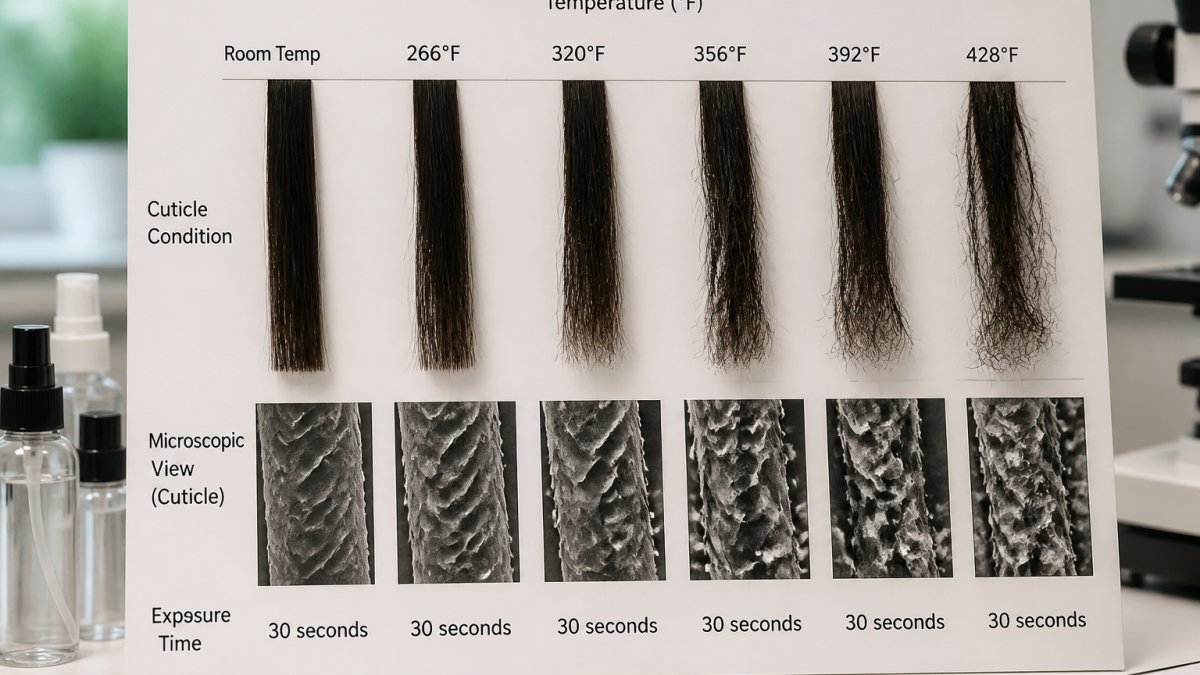
Heat damage occurs when sustained high temperatures denature hair proteins and break disulfide bonds that provide strength and elasticity.
Temperature and exposure time are the primary risk factors. Hair shows measurable protein damage around 158°F (70°C) with extended exposure. Professional dryers operate between 140°F and 180°F at the nozzle, but actual hair temperature depends on heat setting, distance from scalp, and airflow speed.
Distance matters significantly: at three inches from the nozzle, temperature is 20-30°F higher than at six inches. Keeping the dryer six inches away and moving it constantly reduces cumulative heat load on any section.
Moisture management is your first line of defense. Pre-drying with a towel removes 40-60% of moisture before heat styling, cutting total drying time and heat exposure by half. Rough-dry on medium heat first to remove bulk water, then switch to lower heat for final styling. This two-phase approach minimizes cumulative thermal stress.
Airflow speed affects drying efficiency and heat transfer. Higher airflow speeds dry hair faster, reducing total heat exposure even at the same temperature. A dryer with strong, consistent airflow at medium heat outperforms a weaker dryer at high heat. Motor quality and wattage (1600-1800 watts for professional models) matter because better motors generate steadier, more even airflow.
Use a concentrator nozzle to direct heat precisely. A concentrator focuses airflow into a narrower stream, speeding drying by 15-25% and reducing time any area spends under heat, a measurable reduction in thermal damage.
Heat protectant products provide a chemical barrier. Silicone-based or protein-infused leave-in conditioners coat the cuticle and slow protein denaturation. Apply to damp hair before blow-drying, focusing on mid-lengths and ends.
Technique matters as much as settings. Direct airflow downward from root to tip to smooth the cuticle and reduce frizz. Angle the dryer at 45 degrees and move it in one direction. This directional technique produces smoother results and reduces cuticle damage.
Cool-down cycles seal the cuticle. Finish with a 10-15 second cool shot on low speed to close the cuticle, lock in moisture, and improve shine.
Ionic Hair Dryer Benefits for Frizz and Shine
Ionic technology releases negatively charged ions that break apart water molecules, allowing faster drying and cuticle sealing, which reduces frizz at the source.
Your hair looks smoother and shinier within the first few uses, with less frizz even on humid days. This is why ionic dryers are standard in professional salons.
The Chaska Life Air Styler incorporates advanced plasma ion technology that generates millions of negatively charged ions to penetrate the cuticle and eliminate frizz, delivering shine at home.
Ionic technology alone doesn't solve frizz, it works only when combined with proper heat management, the right attachments, and correct technique.
Best Hair Dryer for Fine Hair: What Actually Works
Fine hair requires controlled, gentle drying that adds volume without heat damage. Fine strands are more susceptible to damage from sustained high heat.
Look for adjustable speed and heat settings for fine hair. A lightweight dryer (under 1.6 pounds) reduces arm fatigue and uneven drying.
The concentrator nozzle becomes even more important for fine hair because it allows you to dry specific sections quickly without prolonged exposure. Pair this with a lower heat setting and you'll see faster drying times and better results than trying to use high heat on fine hair.
CHASKA Air Styler - 3-in-1 Hair Dryer Straightener & Curler with Plasma →
Diffuser attachments work well for fine hair too, especially if you have waves or curls. The diffuser spreads airflow across a wider area, reducing the concentrated heat impact on individual strands. This is why many professionals recommend diffusers for fine or delicate hair types.
Best Hair Dryer for Curly Hair With Diffuser Attachment
Curly hair needs a dryer that respects curl pattern while removing moisture efficiently. A diffuser attachment is essential because it disperses airflow across the entire curl rather than blasting individual strands. This preserves curl definition while drying.
The diffuser works by spreading hot air across a wider surface area. Instead of a concentrated stream that can frizz curls or blow them out of shape, you get gentler, more uniform heat distribution. This is why every professional who works with curly hair uses a diffuser.
When selecting a dryer for curly hair, prioritize models with multiple heat and speed options. You want to start on medium heat and medium speed, then adjust based on how your curls respond. Some curls dry faster than others, so flexibility matters more than maximum power.
The best professional hair dryers healthy hair for curly hair include ionic or ceramic technology to reduce frizz while the diffuser preserves curl pattern. Combine these features with a tool designed for all hair types and you'll see improvement in curl definition and shine. Applying a few drops of nourishing oils for healthy hair after heat styling further seals the cuticle and enhances the natural luster of your curls.
Key Features That Protect Hair Health
When evaluating professional hair dryers, focus on measurable features that directly impact hair health and long-term value. Generic marketing claims often obscure real performance differences.
Motor power and airflow consistency. Professional dryers typically range from 1600 to 1800 watts. Higher wattage generally correlates with faster drying, which reduces total heat exposure. However, wattage alone doesn't guarantee performance, motor design and bearing quality determine whether airflow remains consistent throughout the drying cycle. Look for dryers that maintain steady airflow across all speed settings; this is difficult to test without hands-on use, but consistent airflow produces even drying and reduces the need for prolonged heat exposure to stubborn damp sections.
Heat and speed settings: quantity and range. A dryer with three heat levels and two speed levels offers more control than a two-setting model, but the range matters more than the count. Some dryers label settings "low, medium, high" but the actual temperature difference between low and medium may be only 10-15°F, while the jump to high is 30°F. This creates a gap: low is too cool for efficient drying, high is too hot for fine or damaged hair. Look for dryers with granular control, ideally a dial or button system that allows incremental adjustments rather than discrete steps. This lets you dial in the exact temperature and speed for your hair type without overshooting into damage territory.
Ionic or ceramic technology: what the science shows. Ionic technology releases negatively charged ions that break apart water molecules, allowing faster moisture penetration and cuticle sealing. Ceramic heating elements distribute heat evenly and reduce hot spots that can cause localized damage. Both technologies are standard in professional models and produce improvements in frizz reduction and shine. However, ionic technology alone does not eliminate frizz, it works only when combined with proper technique and the right attachments. Ceramic technology is less marketed but equally important for even heat distribution. Many professional dryers use both; look for models that specify "ceramic heating element" and "ionic technology" rather than vague claims like "advanced technology."
Attachments: concentrator and diffuser. A concentrator nozzle focuses airflow and speeds drying by 15-25% compared to no attachment, while also reducing frizz by directing heat along the cuticle. A diffuser spreads airflow across a wider area, ideal for curly or textured hair. Check that attachments fit securely and don't rattle or fall off during use, loose attachments reduce effectiveness and create safety hazards. Some professional dryers include multiple nozzle sizes; this is useful if you have different hair sections or styling goals.
Weight and balance. Professional stylists hold dryers for hours, so weight directly affects fatigue and drying quality. Most professional models weigh 1.2 to 1.6 pounds; anything over 1.8 pounds causes noticeable arm fatigue within 15-20 minutes. Balance matters as much as weight, a dryer that feels heavy in the handle but light overall is harder to control than one with weight distributed toward the motor. Test weight in your hand if possible; online specs don't capture how a dryer feels during actual use.
Durability and repairability. Professional-grade dryers are engineered for daily use and typically last 5-7 years with proper care. Check the warranty length (professional models often offer 2-3 years; consumer models offer 1 year or less). Verify that replacement parts, filters, nozzles, cords, are available and reasonably priced. Some manufacturers design dryers so filters are easy to clean or replace; others seal them permanently. A dryer with a cleanable filter will perform consistently over time, while one with a sealed filter may lose airflow as dust accumulates. This information is rarely advertised but significantly affects total cost of ownership.
Noise level. Professional dryers typically operate at 75-85 decibels (roughly as loud as a vacuum cleaner). Quieter models (70-75 dB) are available but often sacrifice airflow power. If you dry hair early in the morning or in a shared space, noise matters. Decibel ratings are sometimes listed in product specs; if not, user reviews often mention noise levels.
Cord length and heat-resistant housing. A 6-8 foot cord gives you flexibility in the bathroom without requiring an extension. Heat-resistant housing around the motor and nozzle prevents accidental burns and allows you to set the dryer down briefly without waiting for it to cool.
| Feature | Why It Matters | What to Look For |
|---|---|---|
| Motor power | Faster drying = less heat exposure | 1600-1800 watts; consistent airflow across all settings |
| Heat settings | Prevents damage to delicate hair | 3+ levels with narrow temperature gaps; ideally a dial for granular control |
| Speed settings | Controls drying intensity | 2+ options; test that low speed still provides useful airflow |
| Ionic + ceramic | Reduces frizz, seals cuticle, distributes heat evenly | Both technologies specified; not just "advanced technology" |
| Attachments | Customizes drying for hair type | Concentrator + diffuser included; secure fit, no rattling |
| Weight | Reduces fatigue during styling | Under 1.6 pounds; test balance in hand if possible |
| Warranty | Indicates manufacturer confidence | |
| Replacement parts | Ensures long-term usability | |
| Noise | Affects usability in shared spaces | 70-80 decibels if early-morning drying is common |
Total cost of ownership. Purchase price is only the first cost. Factor in energy use: a 1600-watt dryer used 20 minutes daily costs roughly $8-10 per month in electricity. Over 5 years, that's $480-600. A dryer that dries 20% faster saves money on energy costs and reduces heat exposure. When comparing models, calculate the total: purchase price + expected energy costs + likely replacement parts + warranty coverage. This reveals which dryer offers the best value, not just the lowest sticker price.
Frequently Asked Questions
Can a professional hair dryer help reduce heat damage?
Yes. Professional hair dryers with ionic technology, ceramic heating, and multiple heat settings allow you to dry at lower temperatures while maintaining speed. The key is using a lower heat setting appropriate for your hair type and keeping the dryer moving rather than holding it in one spot. A tool with a concentrator nozzle also helps direct airflow precisely, reducing overall drying time and heat exposure.
What are the ionic hair dryer benefits for frizz control?
Ionic technology works by releasing negatively charged ions that seal the hair cuticle, locking moisture inside and smoothing the outer layer. This reduces frizz, increases shine, and creates a smoother finish. For color-treated or damaged hair, ionic dryers help preserve moisture that heat naturally strips away. The result is noticeably shinier, less frizzy hair with better definition.
Is a professional hair dryer worth the investment?
If you blow-dry regularly, a professional-grade dryer pays for itself through durability and results. Professional dryers also dry faster due to higher wattage and better motor design, saving time daily. For anyone styling hair multiple times per week, the time savings and hair health benefits justify the upfront cost.
What heat settings are best for healthy-looking hair?
Always start on a lower setting and increase only if needed. Use the lowest speed setting that still dries your hair in reasonable time. Most professional dryers offer 3+ heat and speed combinations; experiment to find the setting that dries your hair fastest without causing frizz or damage.