


Best Heatless Hairstyles for Fine Hair
Table of Contents
- Why Heatless Styling Works for Fine Hair
- How to Add Volume to Fine Hair Without Heat
- Heatless Curls for Thin Hair: Step-by-Step Tutorials
- Best Products for Heatless Curls
- Protective Styling and Scalp Health
- Troubleshooting Flat Results and Frizz
- Essential Tools and Accessories for Fine Hair
- Frequently Asked Questions
Last Updated: September 24, 2026
Why Heatless Styling Works for Fine Hair
Heat tools damage fine hair, causing visible breakage and thinning within weeks. Heatless styling eliminates that risk while delivering texture, volume, and lasting hold.
The best heatless hairstyles for fine hair use tension, moisture, and time instead of temperature, braids create waves, pins hold curls, and texturizing products add grip without heat stress.
You can style once and wear the look for 24-48 hours, reducing daily manipulation and letting hair recover between sessions.
How to Add Volume to Fine Hair Without Heat
Volume for fine hair requires layering, texturizing products, and strategic techniques that create density without weighing strands down.
Apply lightweight mousse to damp roots and mid-lengths before styling, this creates grip and lift while avoiding ends where buildup flattens fine hair.
Braid-Based Methods for Lasting Texture
Braids create natural wave patterns and texture that hold for 24-48 hours with proper technique.
Use loose braids rather than tight ones, they set waves while distributing tension evenly and reducing scalp stress.
French braids naturally lift hair from the scalp, creating root volume. Leave in overnight or 8+ hours, then unravel gently for textured waves.
Mousse and Texturizing Powder Techniques
Apply mousse to damp roots and mid-lengths before styling, use about a quarter-size amount per section to lock texture without weight.
Texturizing powder absorbs oils and creates friction on second-day hair. Spray at roots and massage gently, avoid heavy application that leaves visible residue.
Combine mousse (applied to damp hair) with texturizing powder (applied the next morning) to extend hold for 24+ hours.
Heatless Curls for Thin Hair: Step-by-Step Tutorials
Fine hair holds curl patterns better than expected, the key is using enough tension and giving the style time to set.
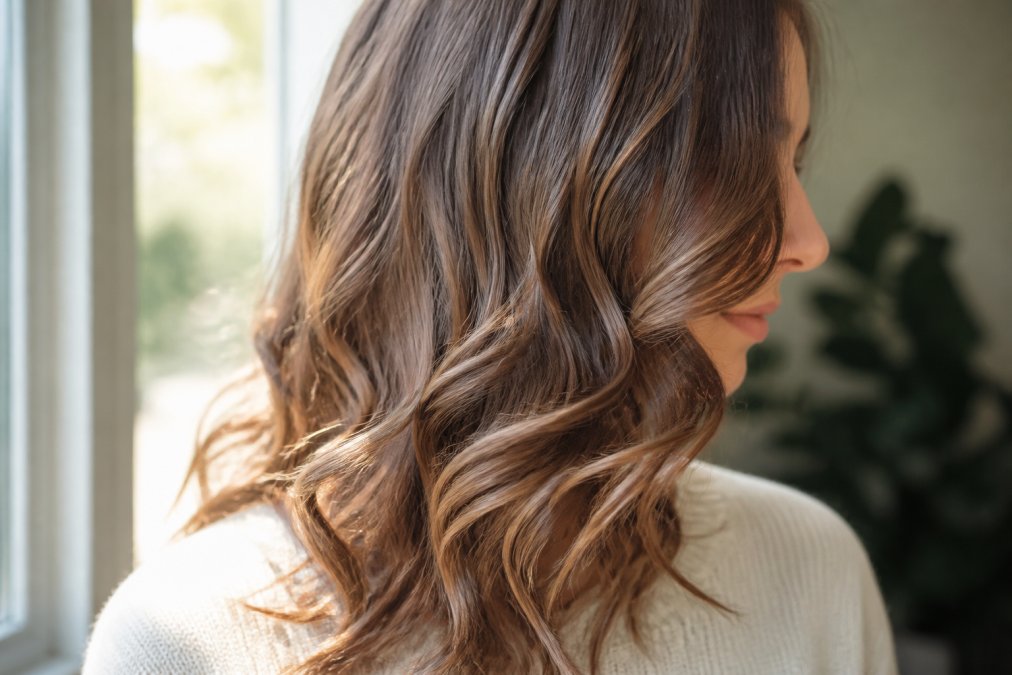
Overnight Curls Using Braids and Pins
Braid damp hair into 2-4 sections, medium braids create defined waves without excessive tension on fine hair.
Secure with soft elastics and leave in 8+ hours (overnight is ideal).
Beach Waves Without Tools
Apply texturizing spray to damp hair, divide into sections, and twist loosely with bobby pins. Leave 6-8 hours or overnight.
Best Products for Heatless Curls
Product selection is critical for fine hair heatless styling, even lightweight formulas can flatten your style if not truly lightweight.
Understanding Product Weight and Fine Hair Compatibility
Mousse is the gold standard, it's aerated (40-60% air) and provides hold without weight. Look for "volumizing" or "for fine/thin hair" labels. Apply to damp roots and mid-lengths only, using a quarter-size amount per section.
Products to Avoid
Creams and butters are too heavy and will flatten fine hair within hours.
Building Your Fine-Hair Product Stack
You need only three core products for effective heatless styling:
- A volumizing mousse (applied to damp hair before styling)
- A lightweight texturizing spray or powder (applied after styling or on day two)
- A lightweight leave-in conditioner (applied to ends only, post-styling)
Protective Styling and Scalp Health
Protective styling means arranging hair in ways that minimize daily manipulation and reduce breakage. For fine hair, protective styles must balance protection with scalp health.
Troubleshooting Flat Results and Frizz
Flat curls and frizz are the two most common complaints from fine-hair users attempting heatless styling. Both have specific causes, and both are fixable once you identify what went wrong. The key is diagnosing whether the problem is technique, timing, product, moisture, or scalp tension.
Diagnosing Why Your Curls Fall Flat
Flat curls typically fail within 2-6 hours of removing braids or pins. Fine hair is prone to this because it lacks the density to hold curl patterns against gravity. Use this decision tree to identify your specific issue:
If curls fall flat immediately (within 1-2 hours):
- Likely cause: Insufficient texture product. Fine hair needs mousse or texturizing spray to grip and hold the curl pattern. Without it, the weight of your hair itself collapses the curl. Solution: Apply mousse to damp hair before braiding, focusing on roots and mid-lengths. Use at least a quarter-size amount per section. Let the mousse dry completely before removing braids.
- Secondary cause: Braids too loose. If your braids are very loose, they may not set a tight enough curl pattern. Solution: Tighten braids slightly (but not so tight that they cause scalp tension), or leave them in longer, 10-12 hours instead of 8.
If curls hold for 8-12 hours then flatten:
- Likely cause: Insufficient setting time. Fine hair needs longer to set curl patterns than thick hair. Eight hours may not be enough. Solution: Leave braids or pins in for 12-16 hours, or overnight plus several hours into the next day. The longer the style sets, the longer it will hold.
- Secondary cause: Hair too dry before styling. Dry hair doesn't hold curl patterns as effectively as damp hair. Solution: Mist hair lightly with water or a lightweight styling spray before braiding. Hair should feel damp but not dripping wet.
If curls hold overnight but fall flat by evening of day two:
- Likely cause: Normal curl degradation. This is expected. Fine hair typically holds heatless curls for 24-36 hours maximum. Solution: Refresh curls on day two with texturizing powder and a light mist of styling spray. This resets texture without requiring a full restyle.
- Secondary cause: Sleeping on curls. Sleeping on set curls compresses them and breaks the pattern. Solution: Sleep with curls pinned up or in a loose bun, or use a silk pillowcase (which reduces friction and curl compression).
Fixing Frizz: Moisture vs. Dryness
Frizz on fine hair is almost always caused by dryness, not humidity (as is common with thick or curly hair). Fine hair has a smaller diameter, which means it has less natural oil and dries out faster. Dry hair becomes frizzy because the cuticle layer is raised and rough.
If you see frizz immediately after removing braids:
- Cause: Dryness from the styling process. Braiding and pinning can create friction that dries hair. Solution: Apply a lightweight leave-in conditioner to the ends immediately after unbraiding. Use only a dime-size amount. Avoid applying to roots, which will flatten volume.
- Alternative: Use a light anti-frizz serum. A silicone-free smoothing serum (look for "lightweight" or "for fine hair") can tame frizz without weighing hair down. Apply sparingly to the mid-lengths and ends only.
If frizz appears 12-24 hours after styling:
- Cause: Cumulative dryness and oil absorption. Your scalp's natural oils haven't yet traveled down the hair shaft, and the hair is drying out. Solution: Apply texturizing powder to absorb any remaining scalp oils (which can look greasy on fine hair), then lightly mist with a hydrating spray or lightweight styling spray. This refreshes the style and adds back moisture without requiring a full restyle.
If frizz is widespread and hair feels dry to the touch:
- Cause: Underlying dryness, possibly from heat damage or over-washing. Heatless styling won't fix this; you need to address the root cause. Solution: Deep condition once weekly with a lightweight deep conditioner (leave on for 10-15 minutes). Reduce washing frequency to 2-3 times per week if possible. Use cool water for the final rinse, which seals the cuticle and reduces frizz.
Preventing Flat Results: A Proactive Approach
Instead of troubleshooting after the fact, prevent flat results by optimizing your technique from the start:
- Always apply mousse to damp hair before braiding. This is non-negotiable for fine hair. Mousse provides the grip that holds curl patterns.
- Leave braids or pins in for at least 10 hours. Eight hours is the minimum; 12+ hours is ideal for fine hair.
- Use soft elastics and smooth bobby pins. Rough or tight hair accessories can break fine strands and create weak points where curls fail to hold.
- Avoid sleeping directly on curls. Use a silk pillowcase or sleep with curls pinned loosely to the top of your head.
- Refresh on day two rather than restyle. Texturizing powder and a light spray will extend your style by 12-24 hours without requiring you to re-braid or re-pin.
When to Accept Curl Limitations
Fine hair has a natural curl-holding capacity. Even with perfect technique, heatless curls on very fine hair may last only 24-30 hours instead of 48. This is normal and not a failure. If you consistently find that curls fall flat despite following all steps above, your hair may simply be too fine for tight curl patterns.
Essential Tools and Accessories for Fine Hair
You need very few tools for heatless styling. The right accessories make the difference between styles that work and styles that damage fine hair.
Frequently Asked Questions
How can I get volume in fine hair without heat?
Use volumizing mousse applied to damp roots before air-drying, combined with braid-based methods or texturizing powder for lift. Sleep with your hair in loose braids or pin curls overnight to create lasting texture. Blow-dry with your fingers (no brush) to avoid flattening delicate strands, then set the style with a lightweight texturizing spray. These techniques add body without the damage heat tools cause to fine hair.
What are the best heatless curling methods for thin hair?
Braiding, pin curls, and twist methods work best for fine hair because they don't stress delicate strands. French braids or loose side braids left overnight create natural waves; pin curls around the crown add height where fine hair needs it most. Twist sections around your fingers and secure with bobby pins for softer, more flexible curls. These methods hold well when combined with mousse or light-hold spray and avoid the breakage risk that heat tools pose.
How do I keep heatless curls from falling out of fine hair?
Apply mousse to damp hair before styling, use lightweight texturizing powder at the roots for grip, and secure styles with bobby pins or hair clips while setting. Sleep on a silk or satin pillowcase to reduce friction and help curls last longer. A light-hold hairspray applied after the curls form locks the style without weighing fine hair down. Avoid heavy products that flatten delicate texture, and refresh curls in the morning with a light mist of texture spray.
Does heatless curling damage fine hair?
Heatless curling methods are gentler than heat styling because they avoid high temperatures that weaken and break fine strands. However, tension from tight braids or pins can cause breakage if left too long, so use loose techniques and avoid pulling hair taut. Proper scalp care and avoiding excessive tension prevent damage. Heatless styling can be a healthier long-term choice than heat tools.