


A Daily Hair Care Routine for Fragile Fine Hair
Last Updated: November 8, 2026
Quick Summary
A daily hair care routine for fragile fine hair cleans the scalp without stripping strands and adds moisture without weight. Wash according to your scalp type, condition mid-shaft to ends only, detangle gently from the ends up, and use one lightweight shampoo, conditioner, and leave-in at most.
- Wash daily with a gentle shampoo if your scalp is oily and your strands are fine.
- Apply conditioner from mid-shaft to ends only and keep it off your roots.
- Detangle wet hair from the ends upward, holding hair above each knot.
- Use a protein or bond-repair mask once a week at most.
- Get trims every 6 to 8 weeks to remove split ends before they travel.
Table of Contents
- Why Fragile Fine Hair Needs Its Own Daily Routine
- Step 1: Choose the Best Hair Products for Fine, Thin Hair
- Step 2: Shampoo and Condition Without Stripping Strands
- Step 3: Detangle Gently and Skip the Breakage
- Step 4: How to Avoid Heat Styling Damage Every Wash Day
- Step 5: How to Strengthen Weak Fine Hair Over Time
- Step 6: The Right Hair Treatment for Thin Hair to Look Thicker
- Build Your Fragile Fine Hair Routine With the CHASKA Air Styler
- Frequently Asked Questions
Why Fragile Fine Hair Needs Its Own Daily Routine
Fine hair is not the same as thin hair, and treating the two the same is where most routines go wrong. The daily hair care routine for fragile fine hair has one job: clean the scalp without stripping strands and add moisture without weight. Get that balance right and fine hair looks fuller.
The stakes are real. According to Highlight's haircare consumer insights for 2026, 72% of respondents use one to three hair-care products daily, and 48% use four to six products weekly. More product is not the answer here. The right few products are.
Fine hair that looks flat is often weighed down by products rather than under-treated. The problem is usually weight, not effort.
Fine Hair vs. Low-Density or Thinning Hair
Strand diameter and strand count are two different things. Fine hair means each individual strand is small in diameter. Low-density hair means there are fewer strands per square inch of scalp. You can have fine hair and plenty of it, or thick strands and sparse coverage.
This matters because the fixes differ:
- Fine but dense hair: focus on lightweight products and buildup control
- Low-density hair: focus on scalp care and styling that lifts roots
- Thinning hair: shedding or widening part lines, which may need a dermatologist's input
Fragile fine hair is delicate and damages easily, as OLAPLEX notes on managing fine or thin hair explains. That fragility, not the strand count, drives most of the routine below.
Step 1: Choose the Best Hair Products for Fine, Thin Hair
The best hair products for fine, thin hair share one trait: they rinse clean. Look for lightweight formulas, clear gels over creams, and mists over serums. Heavy butters, thick oils, and rich masks sit on fine strands and pull them down.
Read the label before you buy. A few ingredients to treat with caution:
- Heavy silicones high on the list, which can build up on delicate strands
- Thick plant butters and waxes
- Alcohol-heavy sprays that dry out fragile hair
Ingredients That Weigh Fine Hair Down
Buildup is the quiet enemy of fine hair. It coats strands, flattens volume, and makes hair feel coated rather than clean. If your hair feels heavy after washing, you are probably using a product that is too rich for your texture.
We recommend a simple rule: one lightweight shampoo, one lightweight conditioner, and one leave-in at most. That is it for daily use.
Step 2: Shampoo and Condition Without Stripping Strands
Wash frequency for fine hair is genuinely debated. Bramble Berry's fine hair care guide notes daily or every-other-day washing can suit some people, while also citing two to three times weekly. Elle gives the same two-to-three-times guidance. There is no single correct answer.
Here is how we would decide:
- Oily scalp, fine strands: wash daily with a gentle shampoo
- Normal scalp: wash every other day
- Dry or fragile strands: wash two to three times weekly
Shampoo the scalp, not the ends. Let the suds rinse down the lengths. Apply conditioner from mid-shaft to ends only, and keep it off your roots. Rinse with cool water to smooth the cuticle.
Wash frequency depends on your scalp and strand condition, so match the schedule to your hair.
| Hair type | Wash frequency |
|---|---|
| Oily scalp, fine strands | Wash daily with a gentle shampoo |
| Normal scalp | Wash every other day |
| Dry or fragile strands | Wash two to three times weekly |
Step 3: Detangle Gently and Skip the Breakage
Wet fragile fine hair stretches and snaps more easily than dry hair, so detangling is a technique, not a quick pass with a brush. The goal is to remove knots with the least tension on each strand, working from the ends upward so a tangle near the root never gets pushed down into a tighter knot.
The Wet-Hair Detangling Sequence
- Apply conditioner first. Coat mid-shaft to ends, then use a wide-tooth comb to distribute it. The slip does most of the work.
- Start at the ends. Comb the last two inches, then move up another two inches, clearing each section before going higher.
- Work in small sections. Divide hair into four to six sections and clip the rest out of the way so you are never combing through the whole head at once.
- Hold the hair above the knot. Grip the section between the knot and the scalp so the pull lands on your hand, not the root.
- Rinse with cool water to smooth the cuticle before you step out.
Dry Detangling and Tool Choice
A wide-tooth comb with smooth, seamless teeth is the gentlest option for fragile fine hair; seams and molded plastic edges catch strands and cause the small splits that turn into breakage. A boar-bristle brush is for smoothing finished styles, not for working through knots. If you detangle dry hair, mist the ends lightly with water or a leave-in first, dry strands have less stretch and break sooner.
- Pat, do not rub, with a microfiber towel or a cotton T-shirt. Rubbing roughs up the cuticle and creates friction tangles.
- Never brush from the roots down through a knot. That is the single most common cause of mid-shaft breakage on fine hair.
- Use a silk or satin pillowcase to cut overnight friction, and loosely braid or clip hair before bed if it tangles easily.
- Get trims every 6 to 8 weeks to remove split ends before they travel up the strand.
Step 4: How to Avoid Heat Styling Damage Every Wash Day
To avoid heat styling damage, keep tools on medium heat, use a heat protectant every time, and never style soaking-wet hair.

Our wash-day sequence looks like this:
- Apply a heat protectant to damp hair before any tool touches it
- Rough-dry to about 80% before styling
- Keep the tool moving, never parked on one section
- Finish with a cool shot to set the shape
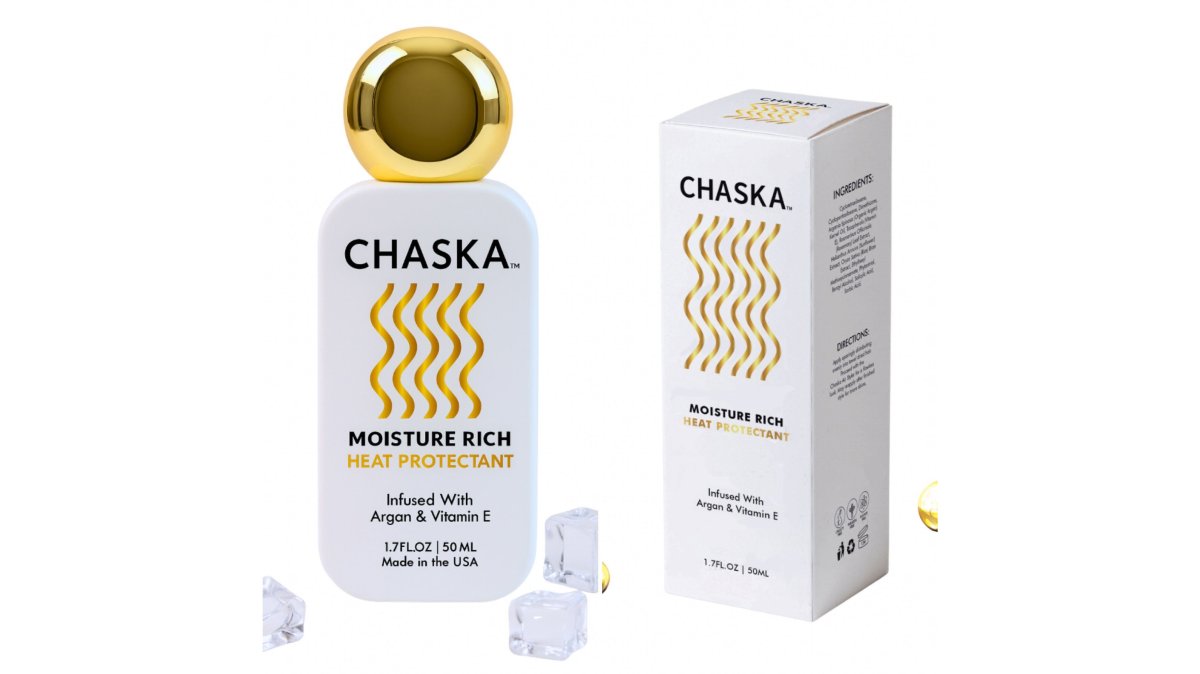
The CHASKA Moisture Rich Heat Protectant is built for this step. Work 2 to 3 drops through shorter lengths, or up to a coin-sized amount for longer hair, from ends upward and avoiding the roots. Comb it through for even coverage.
If you want to know which tool is gentlest on fragile strands, our guide to the least damaging hair styling tool for fine hair breaks down the options. On days you skip heat entirely, these heatless hairstyles for fine hair protect strands while still giving you shape. And if you are still choosing a tool, this air styler buying guide covers what to look for.
Watch out: applying heat protectant to soaking-wet hair dilutes it and sends steam into the cuticle, which causes more damage than styling dry.
Step 5: How to Strengthen Weak Fine Hair Over Time
To strengthen weak fine hair, focus on protein and bond-repair treatments used sparingly, plus gentle handling every single day. Fine hair responds fast to repair ingredients, but it also overloads fast, so the skill is in the dose and the spacing, not the product count.
Protein, Moisture, and the Balance That Matters
A protein treatment can leave fine hair stiff if overused. A common pattern:
- Use a protein or bond-repair mask once a week at most, and only on strands that feel stretchy or mushy when wet.
- Follow with a lightweight conditioner to restore slip, since protein alone can leave hair rough.
- Take a break if hair feels straw-like or snaps without stretching, that is a sign of protein overload, not damage that needs more protein.
- Rotate in a moisture-focused mask every other week instead of stacking repair treatments.
Scalp Care and Buildup Control
Gentle exfoliation every week or two clears dead skin and product residue that flatten roots and dull shine. Use a soft silicone scalp brush on damp scalp with shampoo, in small circles, and rinse thoroughly. Skip gritty scrubs on fragile strands, the grit is fine on scalp but rough on lengths.
Handling Habits That Do the Quiet Work
- A silk pillowcase cuts overnight friction, which is where a lot of fine-hair breakage happens.
- Loose ties and claw clips instead of tight elastics, especially on wet hair.
- Air-dry when you can, and keep heat sessions to the wash-day sequence in the previous step.
- Skip daily hot oil treatments. Fine hair does not need heavy oil, and it will look greasy by lunch.
When Breakage or Shedding Warrants Professional Evaluation
Routine-related breakage usually shows up as short, tapered pieces and split ends along the lengths, and it improves within a few weeks of gentler handling. Persistent shedding is different: more hair in the drain or brush for several weeks, a widening part, or visible scalp can point to a scalp or health issue rather than a routine problem.
Watch out: do not layer a protein mask, a bond treatment, and a strengthening leave-in in the same week, that combination is the fastest route to stiff, snapping fine hair.
Step 6: The Right Hair Treatment for Thin Hair to Look Thicker
The right hair treatment for thin hair to look thicker adds lift at the roots and shine through the lengths without weight. Think lightweight mousses, root-lift sprays, and volumizing mists applied to damp roots before drying.
What to look for in a treatment:
- Water-based formulas, not oil-based
- Volume claims backed by lightweight polymers, not heavy waxes
- A finish that leaves hair touchable, not crunchy
Styling matters as much as product. Dry your roots upward and away from the scalp. Flip your head over for the last minute of drying. Small changes in direction create more lift than any single product.
Build Your Fragile Fine Hair Routine With the CHASKA Air Styler
The CHASKA Air Styler is a 3-in-1 tool that dries, straightens, and curls. Twin Turbo fans are placed in the plates to double the drying power, and its plasma technology is designed to help reduce frizz.
For fine hair, fewer passes matter. One tool means one heat exposure instead of two or three. Pair it with the CHASKA Air Styler and the Moisture Rich Heat Protectant, and your wash day gets shorter without adding damage.

Fine hair does not need a ten-product shelf. It needs a short, consistent routine and tools that do more than one job.
Frequently Asked Questions
How often should I wash fragile fine hair?
There is no single correct frequency. Daily or every-other-day shampooing can suit some people, while two to three washes per week is a common starting point for many fine-haired readers. Start at two to three washes weekly, then adjust based on how quickly your scalp oil builds up, how much you sweat, and whether your strands feel limp or dry between washes.
Is fine hair more fragile than other hair types?
Yes. Fine hair is generally considered delicate and prone to damage, largely because each individual strand has a smaller diameter. That means the same brush, towel, or heat setting that a thick-haired friend tolerates can snap or stretch your strands. The fix is mechanical, not just chemical: gentler detangling, lower heat, and lighter products that do not require heavy rubbing to rinse out.
What should I avoid using on fine, thin hair?
Skip heavy butters, thick creams, and anything applied directly at the roots. The CHASKA Moisture Rich Heat Protectant contains cyclotetrasiloxane and cyclopentasiloxane, and its directions say to work from the ends upward and avoid the roots. Also avoid fine-tooth combs on wet hair and high heat held in one spot.
How do I detangle fine hair without causing breakage?
Work in sections, start at the ends, and hold the mid-shaft so the tug never reaches the root. Use a wide-toothed comb on damp hair with conditioner still in it, then switch to fingers or a soft brush once dry. Never rip through a knot; add a drop of leave-in and separate the tangle with your fingers before combing again.
